
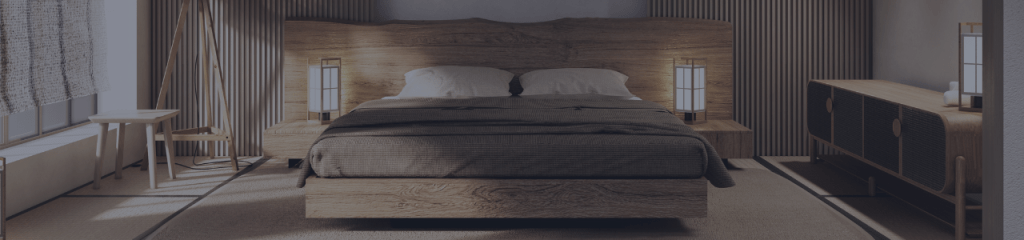
What is sleep hygiene and how do we improve our own?
Sleep hygiene is an overlooked and underrated form of self-care. Having a robust sleep hygiene routine has many mental and physical health benefits. But how exactly do we go about creating a healthy sleep hygiene practice?
Sleep hygiene doesn’t have that much to do with actual cleanliness or hygiene.
There is a bit of overlap with those elements, but there are so many other factors to consider. Sleep hygiene helps create a peaceful, restorative, and healthy initiation of falling asleep. This can include keeping your space clean and free of debris. It also looks at factors like what you’re doing for the hour before bed, what you’re wearing, the temperature of the room, and more. Let’s dive in!
Every body has different sleep requirements.
There are a lot of arbitrary rules on the internet that suggest pretty strange things. No caffeine 10 hours before you plan to sleep. No food 3 hours before you sleep. No screens for 1 hour before you sleep. You get it. Those are all great, but they don’t consider the bigger picture (I’m looking at you, ADHD friends and your caffeine consumption powers).
Let’s look at some factors that impact sleep hygiene that are farthest away from your bedtime.
What time are you waking up? Are you waking up at 12:00 pm and then expecting to fall asleep again by 9:00 pm? That might not be very realistic. Most people need to be awake for anywhere from 12-16 hours before their body is ready to fall asleep again. This is a factor that is unique for everyone.
Having a consistent, enjoyable exercise routine does wonders for sleep hygiene. The amount of movement you have in your weekly schedule helps the body feel more fatigued, so you actually feel tired at night. Not every type of exercise is for everyone, but every body does love movement. Going for a walk, light stretching, taking a kickboxing class. All types of movement help create a healthy sleep routine.
Caffeine consumption does need consideration. Everyone’s level of sensitivity is different. Some people can handle caffeinate right up until bed. Some people need to cut themselves off early in the day to fall asleep at a reasonable time. If you are having a hard time falling asleep, one of the easiest things to look at is your level of caffeine consumption.
What are you using your bed for?
A safe rule to follow is the 3 S’s: sleep, sickness, and sex. Try to avoid activities unrelated to the 3 S’s in your bedroom. The more you can stay out of your room if you are doing things other than sleeping, recovering from sickness, or having sex, the better. It helps condition your brain to connect your bedroom to only those three activities.

What is the condition of your room and bed?
Everyone has different levels of tolerance for cleanliness. There is a decent body of research that suggests having a tidy environment encouraged relaxation, which is conducive to sleep. If you must crawl over piles of laundry and see a million different “to-do’s” every time you go into your room, it’s going to be hard to relax and fall asleep. No one is saying you need to adopt rigid minimalism. Just consider what stress you can reduce from your sleeping environment.
Consider the condition of your mattress and pillows. These items can be a big investment and might need more planning to replace. Genuine discomfort can make it very hard to fall asleep. If you are sleeping on a mattress that is three decades old and your pillow is from 2012, it might be time to think about replacing these. Pillows, sheets, and blankets are a more accessible place to start if you are looking to freshen up your bed situation.
How dark is it in your room? Heavier curtains can create more darkness in your space. Investing in a sleep mask might be helpful to try. What’s the temperature like in your room? People tend to sleep best in cooler spaces versus warmer spaces. I know, I didn’t believe it either, but that’s what the research suggests!
What are you wearing to bed?
I’m sure everyone has been guilty of falling asleep in their clothes by accident (I know I’m guilty of this). There is a lot of power in changing from your day clothes to your pajamas. It might be symbolic, but it may be legitimate. The act of changing into pajamas signals to your brain that the day is over and it’s time to rest.
How much screen time are you exposing yourself to right before bed?
Probably way too much. This is another easy area to check if you are trying to improve your sleep hygiene. All the blue light blockers in the world are still not enough to make it okay to scroll on your phone until you pass out. No screen time for at least 10-15 minutes before bed is a safe place to start. Listen to an audiobook. Read a book. Stretch. Do anything other than look at your phone! Please!
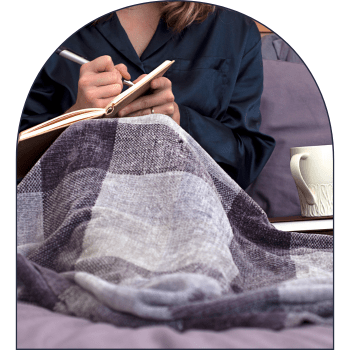
What rituals or routines can you create to round out your sleep hygiene practice?
What more frivolous self-care rituals can you create to tell your body that it’s time to get ready for sleep? Maybe it’s a cup of chamomile tea while you read your favourite romantic novel. Maybe it’s soaking in a warm bath with all the fun bath bombs and bubbles for half an hour. Maybe it’s taking some time to moisturize and listen to a 5-minute mindfulness recording. This is the fun part, and it’s entirely up to you!
Well, there you have it. A lot of information about one of the most important things we can do for our brains and our bodies: SLEEP!
Disclaimer: If you are in need of support, Callisto Counselling is accepting new clients. Reading blogs on a counsellor’s website is not an appropriate or effective substitute for legitimate counselling services. The author of this blog cannot be held liable for reactions to content posted on a public mental health blog.
 Callisto Counselling